
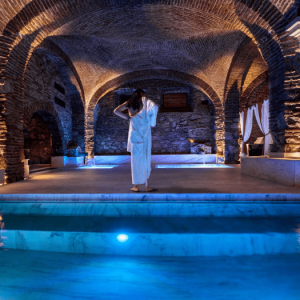


A good couples' itinerary can be simple: walk, observe, taste, talk a little or a lot, and reserve a final moment to slow down.
A city to live with time
Évora is a city that demands to be experienced. The streets, the light, the facades, the squares and the flavours invite a leisurely discovery. For those looking for things to do in Évora as a couple, the secret perhaps lies in not trying to overschedule the day.
A two-person experience gains more value when there's space to feel the place. Not everything needs to be scheduled to the minute. Sometimes, the best plan is one that allows for a pause, a conversation, a street discovered by chance, or a moment of shared silence.
Évora suits this pace well. It's a city of heritage, but also of atmosphere. Therefore, a couples' itinerary can combine history, gastronomy and well-being without losing its natural charm.
Start from the historic centre
The historic centre of Évora is a good starting point. A stroll through the streets, a visit to an iconic monument and a break in a quiet square can set the right pace for the day.
The experience as a couple doesn't need to be excessively planned. Often, the best moments arise precisely in the breaks: a street discovered by chance, a cool shadow, a table chosen unhurriedly.
Walking through Évora as a couple is also a way to slow down. The city doesn't need to be rushed through. It can be experienced little by little, amidst stone, light, old facades, and small pauses.
Gastronomy as part of the experience
Alentejo gastronomy can make the itinerary more complete. A well-chosen meal is not just a stop to eat; it's a way to get to know the territory.
Évora is also experienced at the table. The flavours, the wine, the bread, the olive oil and the conversation are part of an experience that combines heritage, body and memory.
On a two-person date, a meal can be one of the most important moments of the day. Not just for what you taste, but for the time you allow yourself at the table. Well-being can also be found there: in an unhurried meal, a quiet conversation, and the feeling of belonging to the rhythm of the place for a few hours.
To end with a spa experience
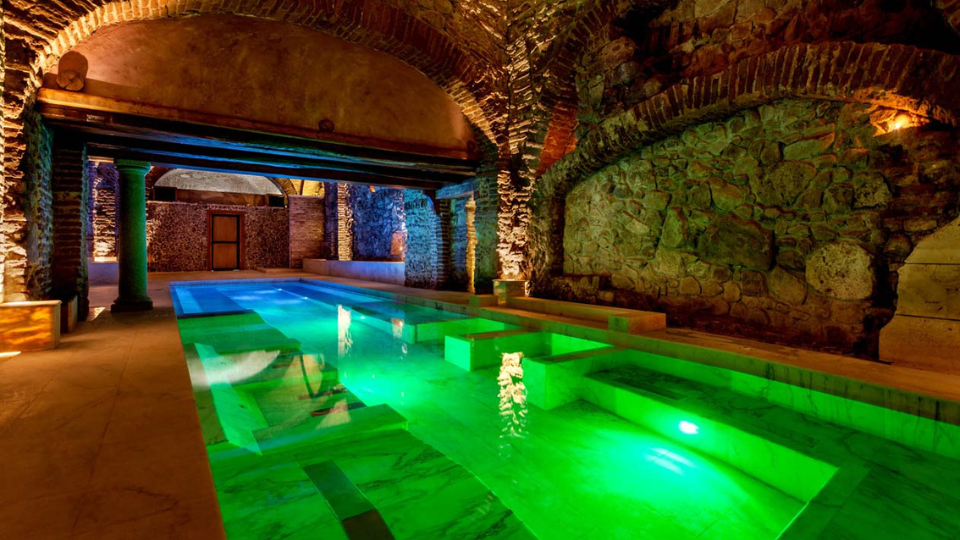
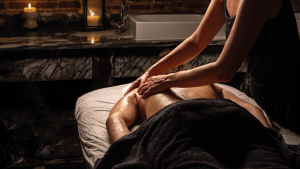
After walking and taking in the city, a spa experience can be the ideal conclusion. The hot water, steam, and silence help the body recover from the day and transform the itinerary into a moment of complete well-being.
No At Acqua Veritas Spa in Évora, the experiences inspired by roman baths add a sensory and historical dimension to the programme.
After heritage and gastronomy, the spa creates a moment of reflection. It's a way of continuing to experience Évora, but via a different route: not just through monuments and flavours, but through the body, water and taking a pause.
A suggestion for celebrating as a couple
This itinerary could work for birthdays, romantic getaways, special dates or simply for a change of routine.
It can also be offered via a Spa Gift Card, allowing the couple to choose when to experience it.
For those looking for a different idea, this combination of city, dining, and spa can be more memorable than a conventional gift. Instead of offering just an object, shared time is offered.
Spa, heritage and gastronomy: a different way to experience Évora
Évora for two can be simple, yet very special. A stroll through the historic centre, a well-chosen meal, and a spa experience create a complete itinerary, without being excessive.
The city offers the setting. The gastronomy offers the flavour. The spa offers the pause.
In the end, perhaps that's what makes a shared experience truly memorable: not the number of things done, but the way time was lived.
Plan your romantic getaway and discover the Spa experiences in Évora or offer one Spa Gift Card.
At Acqua Veritas Spa in Évora
Experience inspired by ancient Roman baths
Discover a wellness ritual where water, heat, silence, and time come together for a memorable experience.
Frequently asked questions about what to do in Évora as a couple
What to do in Évora as a couple?
In Évora, a romantic itinerary can combine a stroll through the historic centre, heritage sites, Alentejo gastronomy, and a spa experience to end the day feeling refreshed.
Évora is a good city for a romantic getaway?
Yes. Évora is a city that is suitable for living as a couple, taking your time, combining historic streets, light, gastronomy, heritage, and tranquil well-being experiences.
How to finish a screenplay for two in Évora?
A great way to end a couples' trip in Évora is to book a spa experience with water, silence, and inspiration from the ancient Roman baths.
A spa in Évora is a good idea for a couple?
Yes. A spa in Évora can be a special experience for couples, creating a shared break with relaxation, water, a sensory environment, and quality time.
Can I offer a two-person experience with a Gift Card?
Yes. A Spa Gift Card allows you to offer a wellness experience for two, giving the couple the freedom to choose the right moment to enjoy the experience.
 Portuguese
  English
  Spanish
  French