
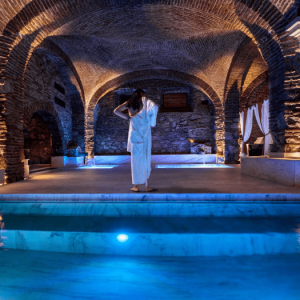


There are cities that demand time. You don't discover them by rushing between monuments, booking attractions, and taking quick photos. You discover them by walking slowly, feeling the light, tasting the local gastronomy, and allowing your body to match the rhythm of the place.
Morning: a leisurely stroll through the historic centre of Évora
A wellbeing itinerary in Évora could start precisely like this: with a leisurely morning. A stroll through the historic centre, a visit to an emblematic monument, a coffee stop, and attention to the details that often go unnoticed – a facade, a narrow street, a cool shadow, a quiet square.
Gastronomy: local flavours as part of the experience
Then, gastronomy can be a natural extension of the experience. Choosing a local restaurant, tasting regional flavours and transforming a meal into a moment of discovery is part of a more complete way of travelling. Well-being also comes from the table, from conversation and from the relationship with the land.
Afternoon: spa with Roman baths for relaxation
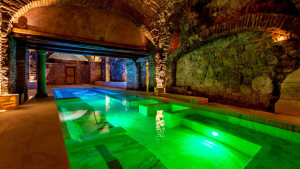
In the afternoon, after the city, it's time to slow down. A spa with Roman baths can be the highlight of this itinerary. The hot water, steam, silence, and historical atmosphere offer the body a deep pause. After walking, observing, and absorbing the city, the bath restores balance.
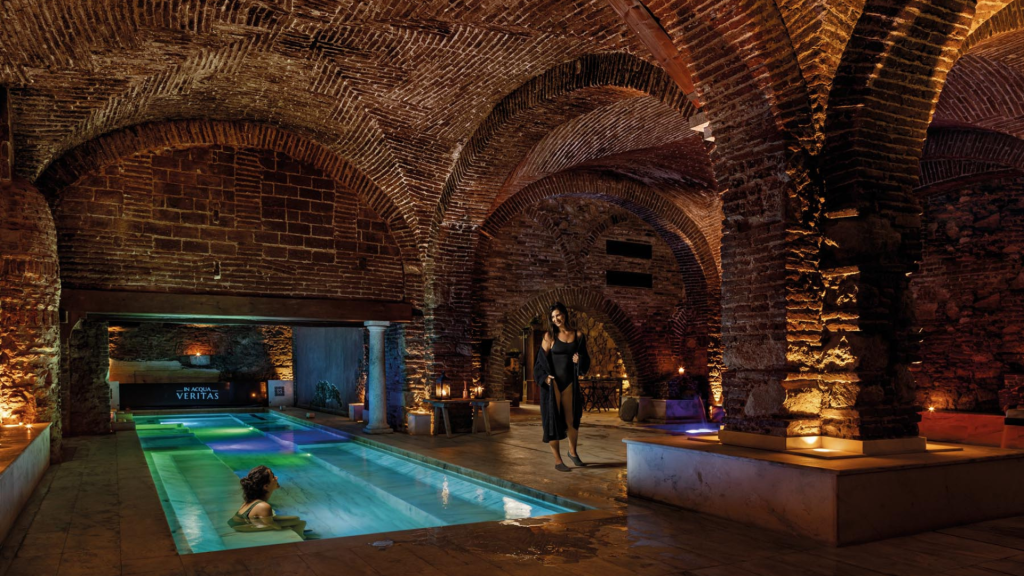
Heritage, gastronomy and spa: a sensory way to experience Évora
This combination of heritage, gastronomy, and spa creates a very complete experience. It's not just tourism. It's a sensory way of experiencing the place. The visitor gets to know the city from the outside – in the streets, monuments, and flavours – and then finds a moment for inner reflection.
An ideal itinerary for getaways and experiences for couples
This type of itinerary is ideal for getaways, couples' breaks, special offers, or experiences for visitors looking for something more than a conventional stay.
Wellbeing in Évora: when the city teaches us to slow down
In Évora, well-being can be found in the meeting between history and rest. Between a stroll and water. Between the table and silence.
Because sometimes the best way to get to know a place is to let it slow you down.
At Acqua Veritas Spa in Évora
Experience inspired by ancient Roman baths
Discover a wellness ritual where water, heat, silence, and time come together for a memorable experience.
Frequently asked questions about the wellness itinerary in Évora
Here's what to include in a wellness itinerary in Évora: **Mindfulness & Relaxation:** * **Sunrise/Sunset Meditation:** Find a quiet spot within the city walls (like a less-visited rampart or a peaceful garden) or just outside the city with a view of the plains. * **Yoga Session:** Arrange for a private yoga class in a tranquil setting, perhaps a courtyard or an olive grove. Several local studios might offer outdoor sessions. * **Spa Treatments:** Indulge in massages, facials, or hydrotherapy at one of Évora's reputable spas. Look for those using local ingredients like olive oil or cork. **Connection with Nature:** * **Alentejo Landscape Walk/Hike:** Explore the gentle hills and cork oak forests surrounding Évora. Trails like the one around the Monsaraz dam or through the Monte da Rocha area offer beautiful scenery. * **Olive Grove Visit & Tasting:** Experience a guided tour of an olive farm, learn about the production process, and enjoy a tasting of local olive oils. * **Gardens of D. Manuel:** A peaceful spot within the city to wander, reflect, and enjoy the greenery. **Healthy & Local Cuisine:** * **Farm-to-Table Dining:** Seek out restaurants that prioritise local, seasonal ingredients. Évora has many excellent eateries offering traditional Alentejo dishes prepared healthily. * **Cooking Class (Alentejo Cuisine):** Learn to prepare healthy versions of regional specialties using fresh produce. * **Visit a Local Produce Market:** Immerse yourself in the vibrant colours and aromas of the Mercado Municipal, and select fresh fruits and vegetables for healthy snacks. **Cultural Immersion with a Wellness Twist:** * **Slow Tourism Exploration:** Wander through Évora's historic centre at your own pace, without a strict schedule. Absorb the atmosphere, appreciate the architecture, and allow for spontaneous discoveries. * **Visit the Chapel of Bones (with mindful reflection):** While it might seem morbid, viewing the Chapel of Bones can be an opportunity for profound reflection on life and impermanence. Approach it with a contemplative mindset. * **Art & Craft Workshops:** Engage in a quiet, hands-on activity like pottery or tile painting, which can be very therapeutic. **Additional Wellness Elements:** * **Hydration Stations:** Ensure easy access to water throughout the day. * **Digital Detox Periods:** Schedule time away from screens to fully immerse yourself in the experience. * **Restful Accommodation:** Choose a hotel or guesthouse known for its tranquil atmosphere and comfortable amenities. When planning, consider the season for optimal weather and consider the pace you wish to set – whether it’s active exploration or deep relaxation.
A wellness itinerary in Évora could combine a stroll through the historic centre, a visit to heritage sites, local gastronomy and a spa experience to finish the day peacefully.
Évora is a good destination for a wellness getaway?
Yes. Évora combines history, heritage, gastronomy, light, a tranquil pace, and spa experiences, making it an interesting destination for a wellness getaway.
How to combine heritage and spa in Évora?
A good way to combine heritage and spa in Évora is to book the morning for a wander through the historic centre and leave the spa experience for the afternoon, when the body craves rest.
Does a spa with Roman baths make sense on a tour of Évora?
Yes. A spa with Roman baths adds a sensory and historical dimension to the itinerary, connecting the wellness experience to the city's heritage and historical environment.
Where to have a spa experience in Évora?
At In Acqua Veritas Spa in Évora, you can experience well-being inspired by ancient Roman baths, ideal for integrating into a tour of heritage and gastronomy.
 Portuguese
  English
  Spanish
  French