
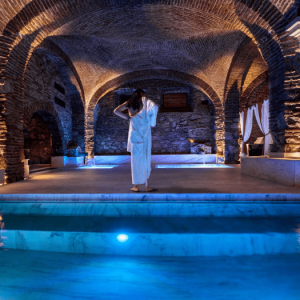


There are people who are difficult to surprise. They have what they need, buy what they want, and are rarely delighted by predictable gifts. In such cases, perhaps the best offer isn't an object, but an experience.
When the best gift isn't a thing
A spa ritual with Roman baths is a different, elegant and timeless suggestion. It offers something almost everyone desires, but doesn't always seek out: time to stop. Time to breathe. Time to care for the body without guilt and without haste.
Why offer a spa experience?
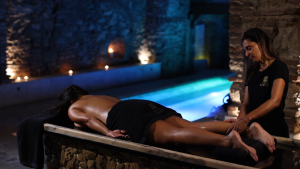
Unlike a material gift, a Spa experience It doesn't take up space on a shelf. It stays in the memory. The person receives a moment designed for them, with hot water, steam, silence, an engaging atmosphere and, if desired, complementary treatments such as massage or a body ritual.
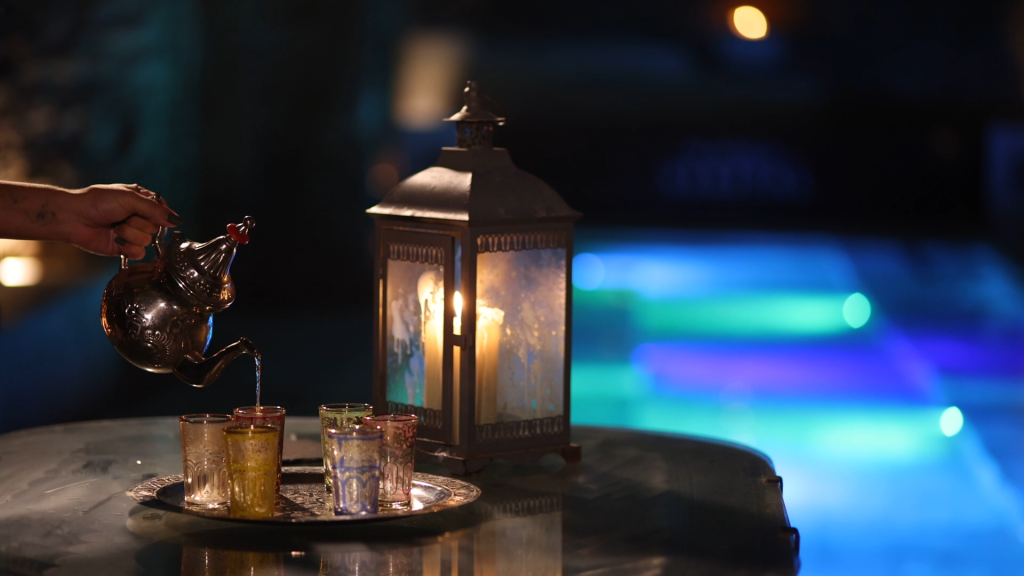
Roman baths: a Offer with history and well-being
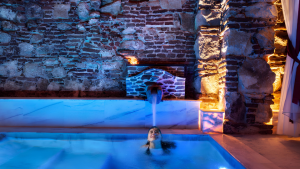
The Roman baths add a historical and sensory dimension to this offering. It's not just “going to the spa.” It's about entering a ritual inspired by an ancient practice, where water and temperature guide the body into a state of profound relaxation.
Spa voucher: a versatile suggestion for various occasions
A spa voucher It can be an excellent option for birthdays, Christmas, Valentine's Day, Mother's Day, Father's Day, professional celebrations, or simply as a token of appreciation. It's a versatile gift, suitable for an individual or a couple.
Offering well-being is offering care
Furthermore, this type of gift communicates care. It shows that there was intention, that thought was given to the other person's well-being and not just the monetary value of the offering.
An experience to remember
When you no longer know what to offer, perhaps the answer lies precisely in what you don't buy every day: tranquility, silence, and an experience capable of suspending the routine.
A spa ritual with Roman baths is just that: a gift that isn’t kept in a box, but in the body and in memory.
At Acqua Veritas Spa in Évora
Experience inspired by ancient Roman baths
Discover a wellness ritual where water, heat, silence, and time come together for a memorable experience.
Frequently asked questions about spa voucher with Roman baths
What to offer someone who has everything?
When it's difficult to choose a material gift, a spa experience can be an original, elegant and memorable option, because it offers time, relaxation and care.
Is a spa voucher a good gift idea?
Yes. A spa voucher is a versatile suggestion for birthdays, Christmas, Valentine's Day, Mother's Day, Father's Day, professional celebrations, or gestures of thanks.
Why choose a spa ritual with Roman baths?
A spa ritual with Roman baths combines water, heat, silence, and historical inspiration, creating a sensory experience that goes beyond a simple spa visit.
Can a spa voucher be offered to one person or to a couple?
Yes. Depending on the options available, a spa voucher can be a suitable gift for an individual or a couple, allowing for an individual or shared wellness experience.
Where to offer a spa voucher with Roman baths in Évora?
At In Acqua Veritas Spa in Évora, it is possible to offer a wellness experience inspired by ancient Roman baths, in an exclusive, sensory and memorable setting.
 Portuguese
  English
  Spanish
  French