
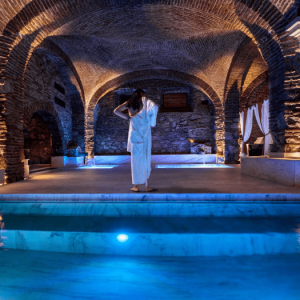


Looking for a spa in Évora might seem simple: find a place, Choose a time and book. But a good wellness experience is not just about a tick in a box. It depends on the environment, the pace, how the body is received and the lingering feeling after the visit.
More than looking for a spa, it's important to choose an experience
A spa should be a place for a break. A space where time slows down, where external noise fades and where every detail contributes to a feeling of comfort. Therefore, before choosing, It's worth considering what kind of experience you're looking for.water, massage, silence, historical setting, sensory ritual, or a special moment for two.
Ambiance, silence and attention to detail
A good spa isn't defined solely by the treatments on offer. It's defined by the atmosphere. The light, the temperature, the materials, the privacy and the silence are an essential part of the experience.
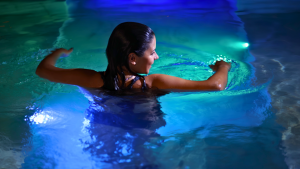
In the case of a space inspired by Roman baths, water takes on a deeper dimension. It is not merely an element of relaxation; it is part of an ancient ritual, reinterpreted for contemporary comfort.
The right choice should take into account this combination: physical well-being, a well-kept environment, and a narrative capable of transforming the visit into a memorable moment.
What kind of experience to choose?
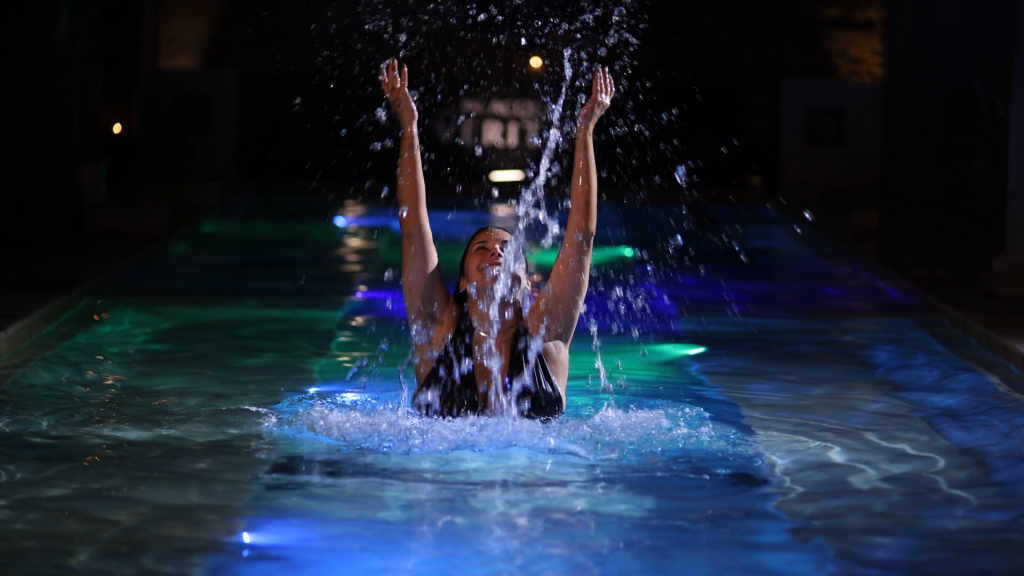
Those looking solely to relax can opt for a water and nature-focused experience. Those feeling more tense can choose a massage experience. For couples, a duo package can transform a special date into a shared memory.
No In Acqua Veritas Spa In Évora, the experiences combine Roman baths, massages, sensory rituals and moments of pause in a space designed to be enjoyed at leisure.
Spa in Évora for visitors and residents
Évora is a city of heritage, light, and its own rhythm. After strolling through the historic centre, visiting monuments or enjoying a getaway in the Alentejo, a Spa experience It can be a natural way to return balance to the body.
For those who live in the city, the spa can be a nearby escape. For those visiting Évora, it can be the highlight of a more tranquil itinerary.
Book a wellness experience in Évora
Choosing a spa is choosing how you wish to pause. Water, heat, silence, and care can transform a simple break into an experience of true relaxation.
At In Acqua Veritas Spa in Évora, every experience is designed to create that moment: exclusive, sensory, and memorable.
At Acqua Veritas Spa in Évora
Experience inspired by ancient Roman baths
Discover a wellness ritual where water, heat, silence, and time come together for a memorable experience.
Frequently asked questions about spas in Évora
How to choose a spa in Évora?
To choose a spa in Évora, consider the type of experience you are looking for, the atmosphere of the place, the need for booking, the available treatments, and the feeling of comfort you wish to experience.
Uma boa experiência de spa deve incluir um ambiente relaxante e tranquilo, tratamentos de alta qualidade realizadas por profissionais qualificados, e um serviço ao cliente atencioso e personalizado. Deve também oferecer comodidades como saunas, jacuzzis e áreas de descanso que contribuam para o relaxamento geral.
A good spa experience should include a tranquil atmosphere, attention to detail, comfort, silence, an appropriate pace, and wellness offerings aligned with what the body seeks at that moment.
Is a spa with Roman baths different?
Yes. A spa with Roman baths adds a historical and sensory dimension to the experience, combining water, heat, steam, silence, and inspiration from ancient Roman rituals.
Do you need to book a spa experience in advance?
Yes. Advance booking allows you to guarantee availability, choose a better time, and prepare for the experience more calmly.
Where to have a spa experience in Évora?
At Acqua Veritas Spa in Évora, you can experience well-being inspired by ancient Roman baths, with water, silence, a curated atmosphere, and moments of relaxation.
 Portuguese
  English
  Spanish
  French