
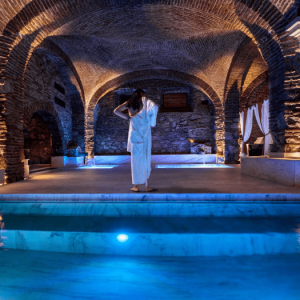


Your first visit to a spa might spark some curiosity and even a few small questions. What should I bring? How long does it last? Is it necessary to arrive early? Are there any special considerations? The good news is that a spa experience is precisely designed to be simple, peaceful, and comfortable.
How to choose the right spa experience
Before booking, the first step is to choose the type of Experience sought. You can choose just to relax in a water circuit, have a massage, share a moment for two, or treat yourself to a more complete break. A spa with Roman baths, for example, offers a very sensory experience, based on water, warmth, silence and the environment.
What to do before a spa visit
On the day of your visit, it is advisable to arrive a little early. This will allow you to get into the right rhythm, without any rush. The spa is a transitional space: the sooner you leave the outside hustle and bustle, the better the experience will be. Many places provide towels, robes or slippers, but it is best to confirm this when booking.
How to make the most of the experience
during the experience, the most important thing is to respect your own body. Heat, steam and water should be experienced calmly. There is no need to “do everything quickly” or follow the circuit as an obligation. The aim is to feel, breathe and allow the body to slow down.
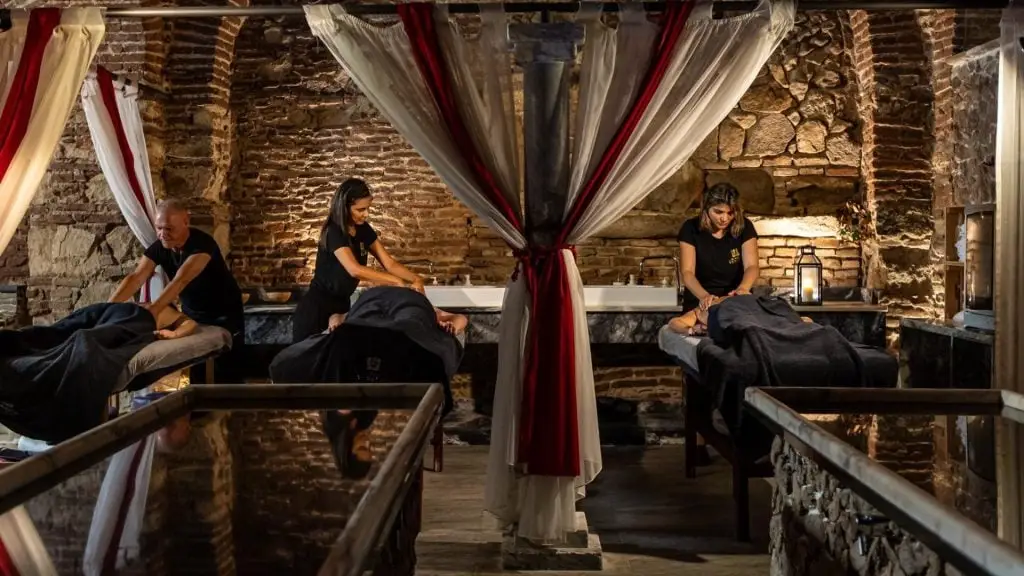
Silence, calm, and respect for the environment
It is also important to maintain silence or speak in a low tone, especially in common areas. The spa is a space where the environment is part of the experience.
What to do after the experience
After the visit, drink water and avoid immediately returning to a fast pace. The ideal is to prolong the feeling of rest, allowing the body to assimilate the moment.
Going to a spa for the first time is simpler than it seems
Going to a spa for the first time is simpler than it seems. You just need to arrive with the availability to stop. The rest happens naturally: the water, the heat and the silence do their work.
At Acqua Veritas Spa in Évora
Experience inspired by ancient Roman baths
Discover a wellness ritual where water, heat, silence, and time come together for a memorable experience.
Frequently asked questions about your first time at a spa
Here's what you should know before going to a spa for the first time: * **Book in advance:** Especially if you want a specific treatment or time, it's best to book your appointment well ahead of time. * **Arrive early:** Aim to get there about 15-20 minutes before your scheduled treatment. This gives you time to fill out any necessary paperwork, change, and relax in the spa's facilities. * **Hydrate:** Drink plenty of water before your visit. It's also a good idea to avoid caffeine and alcohol, as these can dehydrate you. * **Eat lightly:** Don't have a heavy meal right before your spa treatment. A light snack is fine, but a full stomach can be uncomfortable during certain treatments. * **Inform your therapist:** Be open with your therapist about any medical conditions, allergies, injuries, or concerns you have. They need this information to tailor the treatment to you and ensure your safety and comfort. * **What to wear:** You'll usually be provided with a robe, slippers, and towels. For body treatments, you'll typically undress completely or to the degree you're comfortable with, and your therapist will use draping techniques to keep you covered. For massages, it's common to leave on your underwear if you prefer. * **Hygiene:** Most spas have strict hygiene standards, but it's always a good idea to shower before your treatment if you have time. * **Be prepared to disconnect:** This is your time to relax. Try to leave your phone on silent or turned off and forget about your worries for a while. * **Communicate your preferences:** Don't be afraid to speak up if the pressure during a massage is too much or too little, if the room temperature isn't right, or if you have any other preferences. * **Tipping:** Tipping is customary in many spas, usually between 15-20% of the treatment cost, just as you would in a restaurant. * **Post-treatment:** Drink more water after your treatment, especially if you've had a massage or body wrap, as it helps to flush out toxins. Avoid strenuous activity straight after your visit. * **Enjoy yourself!** A spa visit is about relaxation and well-being, so try to switch off and savour the experience.
Before going to a spa for the first time, you should choose the experience that best matches what you're looking for, confirm what's included, and arrive a bit early to get into the right rhythm.
Is it necessary to arrive at the spa early?
Yes. It is advisable to arrive a few minutes before your scheduled time, to check in calmly, prepare yourself, and start the experience without rushing.
O que devo levar para uma experiência de spa?
Many spas provide towels, robes, or slippers, but it is always advisable to confirm this information when booking.
How should I behave during the experience?
During the experience, you should respect your own pace, speak in a low tone in common areas, and take in the heat, water, and environment calmly.
What to do after leaving the spa?
After the visit, it is recommended to drink water and avoid immediately returning to a fast pace, prolonging the feeling of rest and well-being.


 Portuguese
  English
  Spanish
  French