
While the terms "spa," "thermae," and "Roman baths" are all related to water and relaxation, they have distinct origins and characteristics: **Spa:** * **Origin:** The term "spa" is believed to originate from the Belgian town of Spa, which was renowned for its mineral springs and attracted visitors seeking their health benefits in the 16th century. * **Modern Meaning:** Today, a spa is a broad term encompassing establishments that offer a variety of health, beauty, and relaxation treatments. These can include massages, facials, body wraps, saunas, steam rooms, and swimming pools. While some spas may utilise natural mineral waters, it's not a strict requirement. The focus is on providing a holistic wellness and pampering experience. **Thermae (or Thermal Baths):** * **Origin:** "Thermae" is the Latin word for public bathhouses, particularly those of ancient Rome. However, the concept of thermal springs and their use for bathing dates back much further, to ancient Greek civilisation and even earlier. * **Key Characteristic:** The defining feature of thermae is the use of naturally heated mineral water, often sourced from geothermal springs. This water is believed to have therapeutic properties due to its mineral content and temperature. * **Experience:** Historically, thermae (especially Roman ones) were more than just places to bathe; they were social centres where people could exercise, socialise, conduct business, and relax. They often included hot, warm, and cold pools, as well as facilities for massage and exercise. **Roman Baths:** * **Origin:** Specific to the Roman Empire, Roman baths were elaborate public complexes that were central to Roman social life. * **Key Characteristics:** They were highly sophisticated architectural achievements, often incorporating intricate heating systems (hypocausts) to warm the floors and water. A typical Roman bath complex would include a series of rooms with varying temperatures: * **Apodyterium:** The changing room. * **Tepidarium:** A warm room, serving as a transition from the cold to the hot rooms. * **Caldarium:** A hot room with a hot plunge bath. * **Frigidarium:** A cold room with a cold plunge bath. * **Social Role:** Like Greek baths, Roman baths were vital social hubs. They offered opportunities for hygiene, exercise, entertainment, and communal gathering. **In Summary:** * **Spa:** A modern establishment offering a range of wellness and beauty treatments, which may or may not involve natural mineral waters. * **Thermae/Thermal Baths:** Facilities that specifically utilise naturally heated mineral waters for bathing, often with a focus on therapeutic benefits. * **Roman Baths:** A specific type of *thermae* from the Roman era, characterised by their elaborate architecture, sophisticated heating systems, and significant social function. You could say that Roman baths are a historical form of *thermae*, and *thermae* are a specific type of experience that modern *spas* might incorporate, though the term "spa" is much broader.
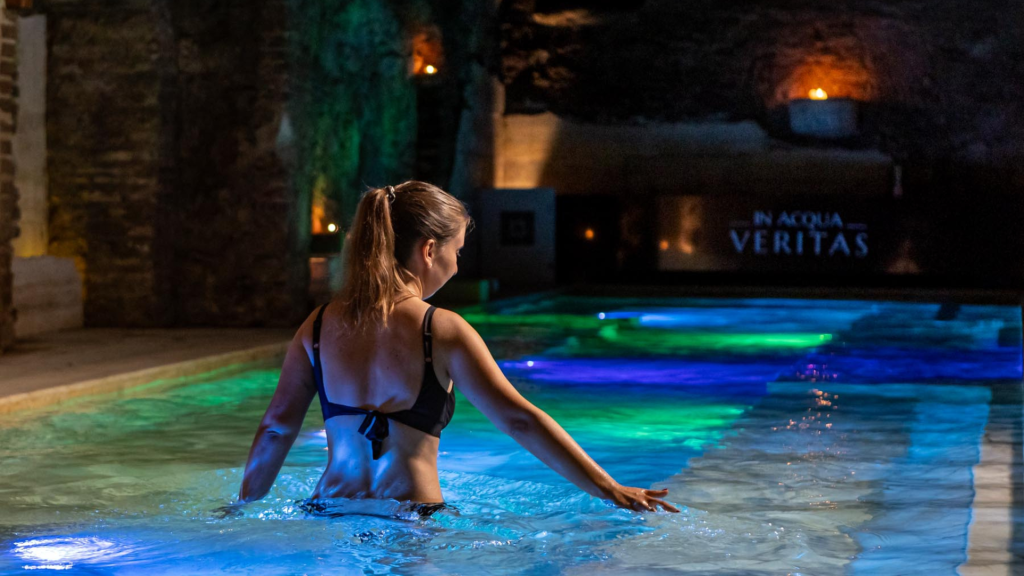
Spas, thermal baths and Roman baths are concepts often associated with each other. They all have a connection to water, the body and well-being, but they don't mean exactly the same thing. Understanding the differences helps you to better choose the experience you desire. Thermal baths: mineral water, health and therapeutic tradition Thermal baths are traditionally linked to mineral water [...]
 Portuguese
  English
  Spanish
  French